Most items that cause trouble on moving day are small: a half-full propane cylinder in the garage, a passport in a desk drawer, a bottle of bleach under the sink. The short answer is that anything hazardous, perishable, irreplaceable, or needed within the first 24 hours should not go on the truck. Hazardous goods get disposed of or transported separately, perishables get used up or given away, and valuables, medications, documents, and pets travel with you in your own vehicle.
The sections below explain each category, why the rule exists, and what to do with the items instead.
What Not to Pack: A Quick Reference
Use this table as a sorting guide while you pack. If an item fits more than one row, treat it by the stricter rule.
| Category | Examples | What to do instead |
|---|---|---|
| Hazardous materials | Propane, gasoline, paint, aerosols, fireworks | Use up, give away, or take to a disposal site |
| Cleaning supplies and liquids | Bleach, ammonia, drain cleaner, solvents | Use for the final clean, then dispose of or carry yourself |
| Perishable food | Fridge and freezer contents, open containers | Eat, donate, or move in a cooler |
| Valuables | Jewellery, cash, heirlooms, laptops | Carry in your own vehicle |
| Medications | Prescriptions, inhalers, medical devices | Keep in a bag that stays with you |
| Important documents | Passports, leases, closing papers, wills | Keep in one folder, in your car |
| Pets | Animals plus food, leash, carrier | Transport personally |
| Broken, unused, or oversized items | Damaged furniture, pieces that won’t fit | Donate, sell, haul away, or store |
Hazardous Items Movers Refuse
Anything flammable, corrosive, explosive, or pressurized falls under the standard list of moving truck prohibited items. A truck’s cargo area is closed, unventilated, and full of cardboard and upholstery. One leaking container can ruin an entire shipment, and a fire in that space puts the crew and other drivers at risk. In Canada, the transport of dangerous goods is also federally regulated, because these materials can create safety risks during transport, moving companies commonly restrict or refuse them.
Common household examples include:
- Propane tanks, including “empty” barbecue cylinders
- Gasoline, kerosene, lighter fluid, and motor oil
- Paint, paint thinner, varnish, and stain
- Aerosol cans
- Fireworks and ammunition
- Pool chemicals, fertilizer, and pesticides
- Car batteries and loose lithium batteries
Fuel-powered equipment such as lawn mowers, snow blowers, and trimmers may need to have fuel removed before transport. Ask your mover about preparation requirements before moving day.
Edmonton residents can take leftover paint, chemicals, and other household hazardous waste to a City of Edmonton Eco Station. Surrounding communities such as Sherwood Park, St. Albert, and Leduc run their own drop-off programs, so check with your municipality before moving week.
Cleaning Supplies and Liquids
Cleaning products sit in a grey area. Many are technically hazardous, and bleach and ammonia release toxic gas if they leak and mix. Even mild liquids like dish soap or laundry detergent can soak through boxes stacked beneath them.
Most people need these products for the final clean anyway. Keep them out of the packed boxes, use them on your last day, and then either leave sealed bottles for the next occupant, pass them to a neighbour, or carry a small upright bin in your own car.
Winter adds a local wrinkle. During an Edmonton cold snap, liquids exposed to freezing temperatures during loading, transport, or unloading can expand and split their containers. The mess shows up later, when the box thaws inside your new home.
Perishable Food to Leave Behind
Refrigerated and frozen food should not go on the truck. Even on a local move, perishable food may spend several hours without refrigeration during loading, transport, and unloading, which is longer than perishable food can safely sit without cooling. Spoiled food also attracts pests and leaves odours in fabric furniture packed nearby.
Start eating down the fridge and freezer about two weeks before the move. For a local move, a cooler in your own vehicle handles whatever is left. For long-distance moves, plan to finish or give away everything perishable, and consider donating unopened, non-perishable items to a local food bank to lighten the load.
Sealed pantry goods such as canned food, pasta, and rice are generally fine to pack. Tape the lids of anything that pours.
Valuables to Keep With You
Jewellery, cash, collectibles, family heirlooms, and anything you could not replace should travel with you. This is not a question of trusting your crew. Small high-value items are easy to misplace among dozens of boxes, and their worth is difficult to document or recover if something goes wrong.
The same applies to laptops, tablets, external hard drives, and cameras. Back up your data before moving day and carry the devices yourself. If you own large high-value pieces that have to go on the truck, such as artwork or antiques, tell your mover ahead of time so they can be wrapped and handled appropriately.
Medications and Important Documents to Keep Handy
Prescription medications, inhalers, EpiPens, glucose monitors, and medical devices belong in a bag that never leaves your side. A box labelled “bathroom” can take days to resurface, and some medications are sensitive to heat or cold. On a long-distance move, where delivery may be days away, carry enough for the trip plus a buffer.
Documents deserve the same treatment. Gather these into a single folder or small file box:
- Passports, birth certificates, and other ID
- Lease or home purchase and closing papers
- Insurance policies and vehicle registration
- Medical, school, and veterinary records
- Wills and financial records
- Your moving estimate and inventory list
You may need several of these on moving day itself, particularly on a possession date when keys and paperwork change hands.
If you are unsure whether a specific item can go on the truck, ask before packing day. Virk Movers can go over packing restrictions for your move when you request a FREE QUOTE, or you can call +1 825-865-9005 with questions.
Pets and Essential Pet Supplies
Pets should travel separately from the household shipment rather than inside the moving truck. The cargo area has no climate control or ventilation, and loads can shift in transit. Animals should travel in your own vehicle, in a secured carrier or harness.
Moving day is also when pets tend to slip out, since doors are propped open for hours. Keep them in a closed room with a sign on the door, or arrange for a friend or kennel to take them for the day. Pack a separate pet bag with food, water, bowls, a leash, waste bags or litter, medications, and a familiar blanket or toy.
Broken, Unused, and Oversized Items to Leave Behind
Unwanted items can add unnecessary volume, weight, or handling time to a move, depending on how the move is priced, so every item you bring that you do not want costs you twice: once to move it and again to get rid of it later. Be honest about the treadmill nobody uses, the dresser with the broken drawer track, and the boxes that were never opened after your last move.
Oversized furniture needs a measurement check. A sectional that suited a basement in Spruce Grove may not make it up a condo elevator downtown or around a tight stairwell in an older home. Measure doorways, stairs, and elevators at the new place before deciding what comes along.
For pieces that are not coming, the options are to sell, donate, or dispose of them. Virk Movers offers junk removal for items at the end of their life and short- and long-term storage for pieces you want to keep but cannot fit yet.
Frequently Asked Questions
Can movers transport houseplants?
Plant policies can vary by mover, even for local moves, so confirm before packing day. In winter, even brief exposure to cold can kill tropical plants, so a warmed-up car is the safer choice. For long-distance moves, extended time in a dark, temperature-variable truck can damage plants, so transporting them separately or rehoming them may be a better option.
What happens if a prohibited item ends up in a box?
If a prohibited item is found before loading, it may need to be removed from the shipment. If it goes unnoticed and leaks or causes damage.
Do the same rules apply to items going into storage?
Generally, yes. Hazardous materials, perishable food, and living things should not go into storage. Check your storage provider’s restrictions before packing anything you are unsure about.
Sort Before You Pack and Moving Day Gets Simpler
Deciding what not to pack for a move comes down to three piles: things that are unsafe to transport, things you cannot afford to lose or be without, and things that are not worth moving at all. Sort those out a couple of weeks ahead and the remaining packing goes faster, with fewer surprises at the truck.
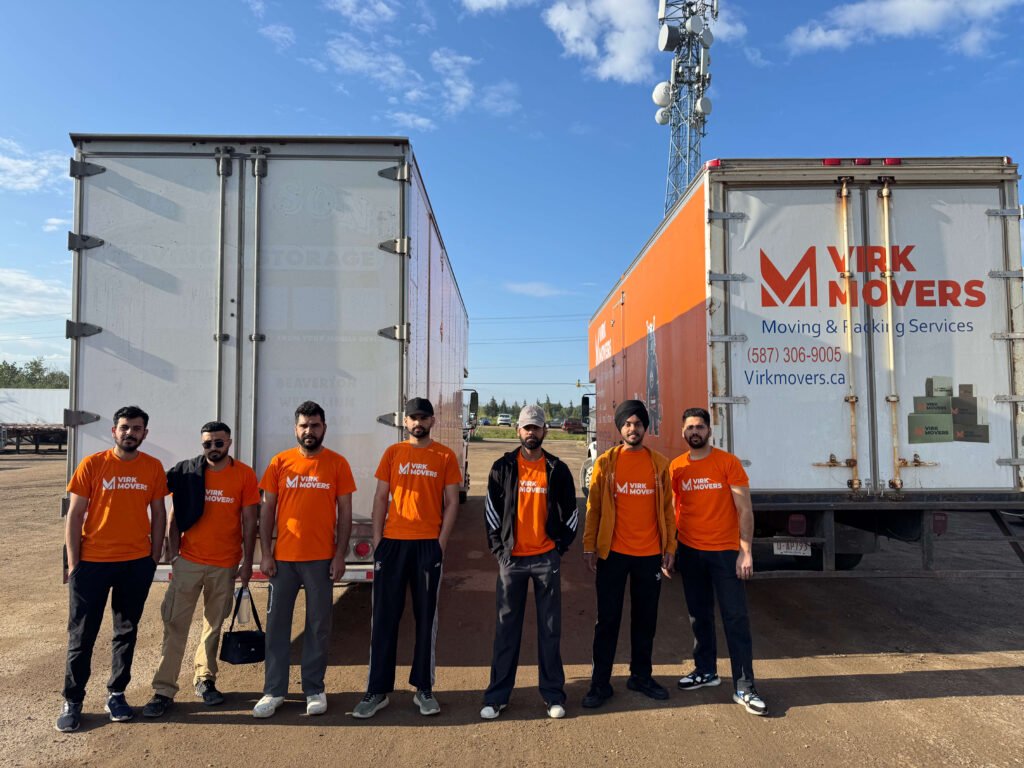
Virk Movers is a licensed and insured Edmonton moving company serving the city and surrounding communities, with long-distance service across Canada. To talk through your move, including packing, storage, or junk removal, request a FREE, no-obligation quote or call +1 825-865-9005.